December 16, 2026
SOEP Brown Bag Seminar
Reproducible workflows in scholarly communication with CODECHECK
Date
December 16, 202612:30-13:30
Location
Karl Popper RoomDIW BerlinRoom 2.3.020Anton-Wilhelm-Amo-Strasse 5810117 BerlinSpeakers
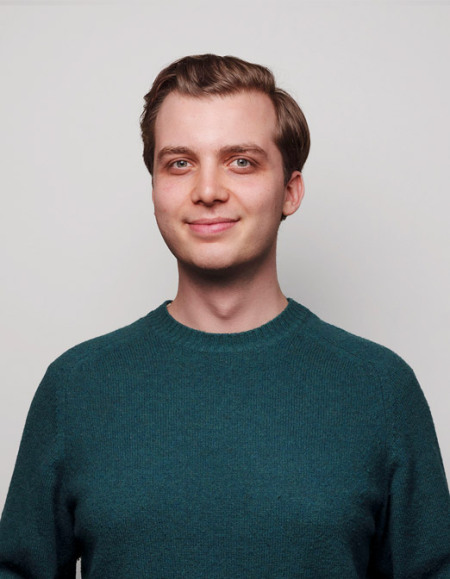
Daniel Nüst, TU DresdenCODECHECK (https://codecheck.org.uk/) provides an approach for independent execution of computations underlying research articles. At one point during the publication process, one reviewer - the codechecker - certifies that they were able to execute relevant parts of a computational workflow. This certificate becomes part of the public record. With over 130 certificates contributed by over 60 codecheckers, the CODECHECK initiative demonstrates how a minimal reproduction positively influences the openness of research within the established publishing practices. At the same time, the project works towards a cultural change in academia to work more openly and to recognise more diverse research outputs and contributions, e.g., by contributing works and checks to Wikidata, by developing a plugin for journal platform for easier integration of CODECHECK, or by engaging early-career researchers and other experts in data or software in peer review. This talk presents the CODECHECK principles and workflow, showcases the Reproducible AGILE effort that changed how the GIScience community changed a conference, demonstrates institutional codechecking, and discusses how novel AI tools can meaningfully support reproducible research and reproductions.