Longitudinal Study of Ukrainian Refugees in Germany (SUARE)
Current Project
Project Management
Prof. Dr. Sabine Zinn (SOEP)Elena Sommer-Nicolaides (SOEP)
Louise Biddle (SOEP)
Adriana Cardozo Silva (Hochschule Hannover)
Project Period
June 1, 2023 - May 31, 2029Funded by
DFG - German Research FoundationIn Cooperation With
Institute for Employment Research (IAB) of the Federal Employment Agency (BA)Federal Office for Migration and Refugees (BAMF-FZ)
The war of aggression by Russia against Ukraine since February 24, 2022, has triggered the largest displacement of people in Europe since the Second World War. By the end of January 2023, more than one million people had fled from Ukraine to Germany.
Displacement migration from Ukraine differs from previous waves of displacement due to specific institutional frameworks: (1) open EU borders resulting from visa-free travel and the activation of the EU Temporary Protection Directive; (2) legal and planning certainty provided by secure residence status upon arrival and the option for temporary return visits without loss of status; and (3) general mobilization and the ban on leaving the country for men of military age in Ukraine. However, the ongoing uncertainty regarding the course of the war and political changes in both the EU and Germany create significant uncertainty about future prospects for return or long-term settlement.
Furthermore, displacement migration from Ukraine is characterized by a high proportion of women with caregiving responsibilities, a comparatively high level of education among the refugees, and specific family configurations and experiences of separation.
In the project SUARE, these displacement and integration processes are being examined across two funding phases:
(1) During the first funding phase (2023–2026), a representative longitudinal data infrastructure regarding the socio-economic situation of Ukrainian refugees in Germany was established. Between 2023 and 2025, more than 2,500 households comprising approximately 3,700 adult refugees were surveyed repeatedly and integrated into the IAB-BAMF-SOEP study as well as the main SOEP survey (SOEP-CORE). The data make it possible to examine changes in living situations and integration trajectories over time and to compare them with refugees from other countries of origin as well as with people who have no experience of flight or migration. A particular thematic focus was placed on health and discrimination.
(2) In the second funding phase (2026–2029), the data infrastructure will be extended and enriched for a further three years. The focus is on the long-term consequences of family changes resulting from flight for the development of children and adolescents. Specifically, the study examines educational and health trajectories, psychosocial well-being, experiences of discrimination, and access to healthcare, while considering family structures, individual resources, and institutional frameworks. Another key focus is the development and validation of age-appropriate and culturally sensitive data collection instruments, as well as innovative multimodal survey methods—including AI-assisted translation and visual or auditory support. The prolongation of the panel study allows for a nuanced, long-term analysis of integration processes of Ukrainian refugees in Germany. SUARE II thus establishes the empirical foundation for internationally relevant research and evidence-based migration policy.
DIW Team
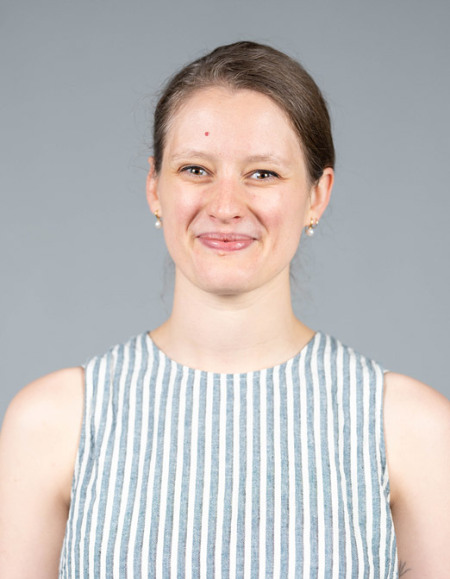
Researcher
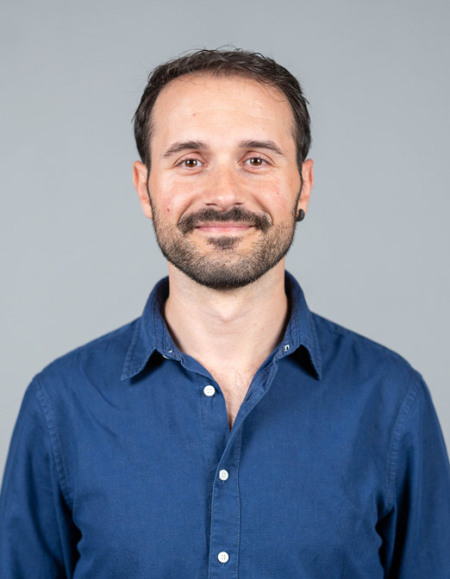
Researcher
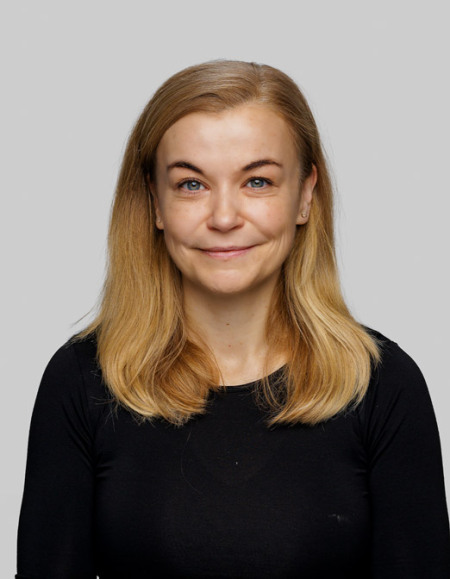
Research associate
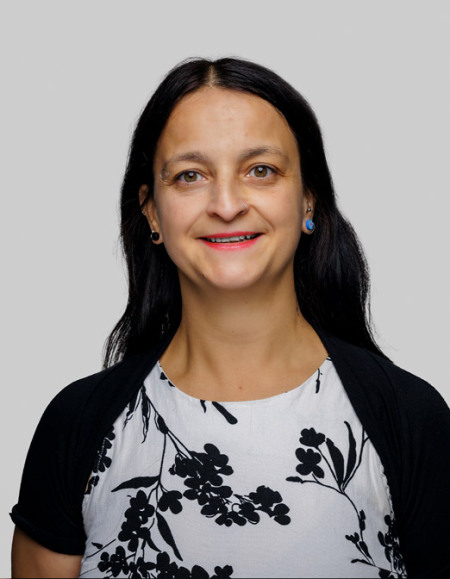
SOEP Director
Researcher
Researcher
Research associate
SOEP Director
Former members
SUARE Workshop 2024
On May 16 and 17, 2024, we organized a successfull workshop at DIW Berlin with all cooperating partners involved (event summary (PDF, 0.7 MB)).
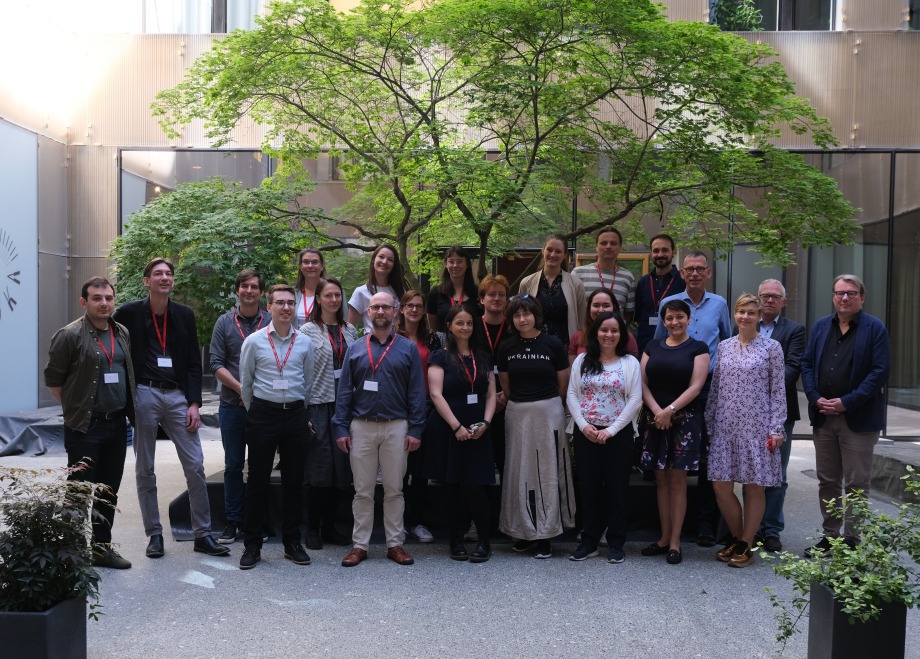
Project team of all cooperation partners involved (Workshop May 16/17, 2024)
© DIW Berlin
Downloads
- event summary(PDF, 0.7 MB)